Turn your piece constantly – needle felting tip
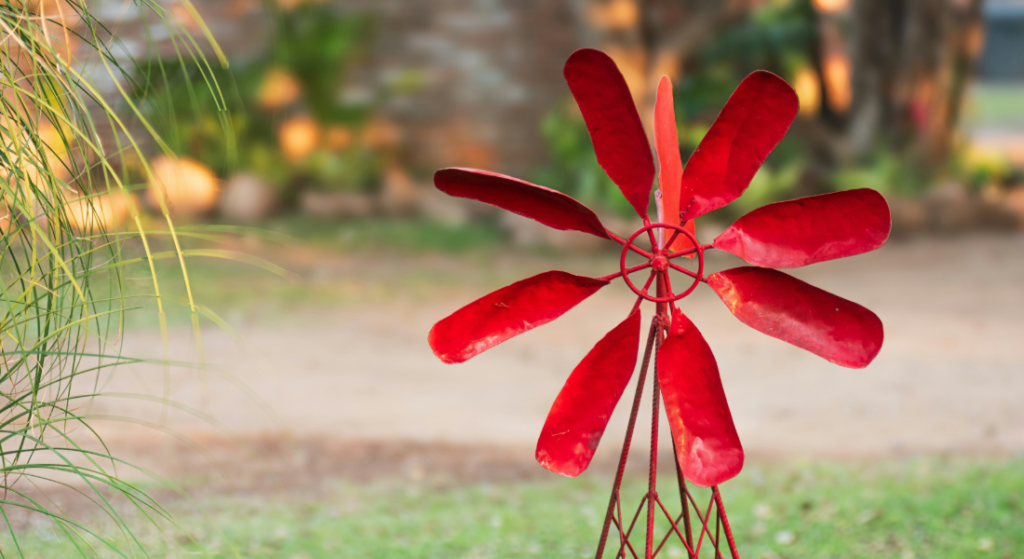
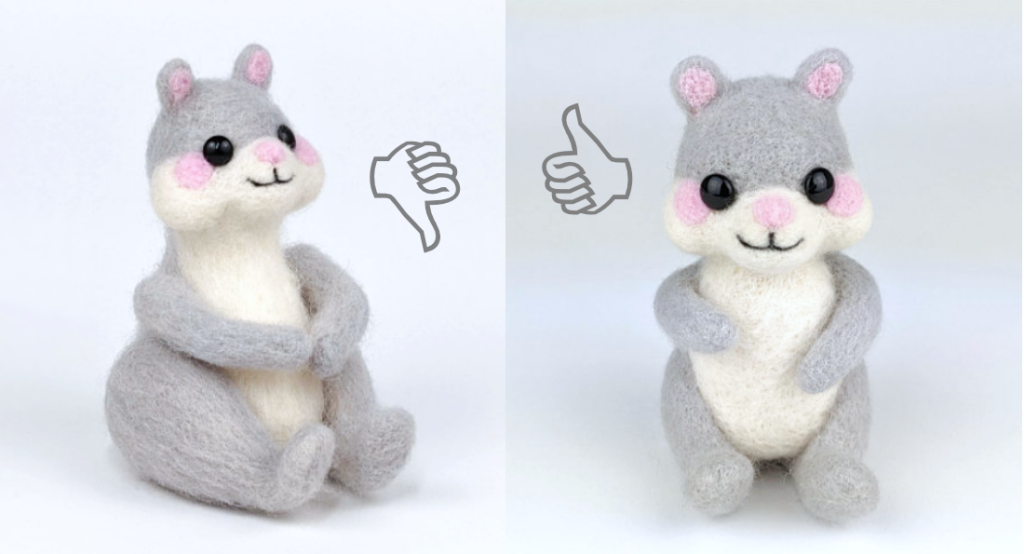
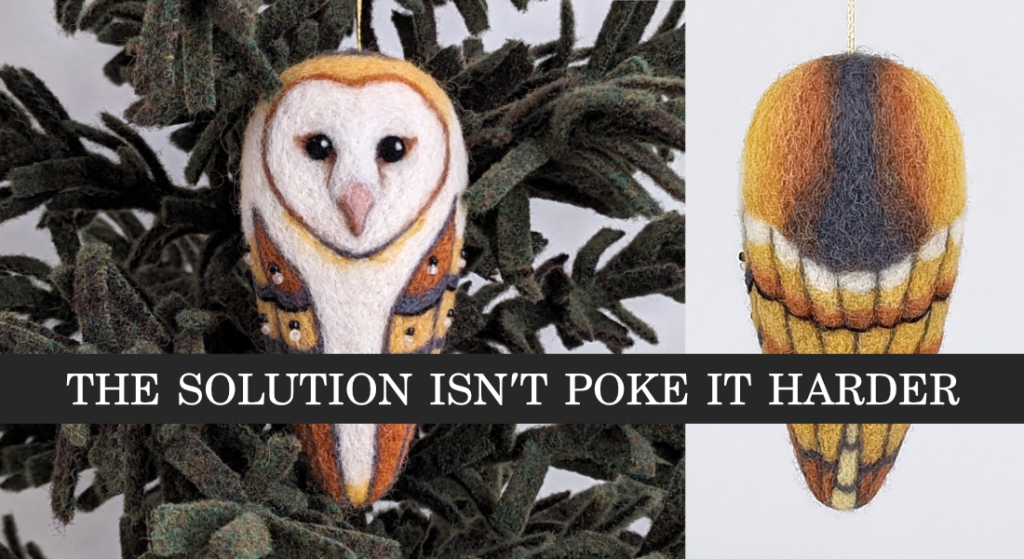
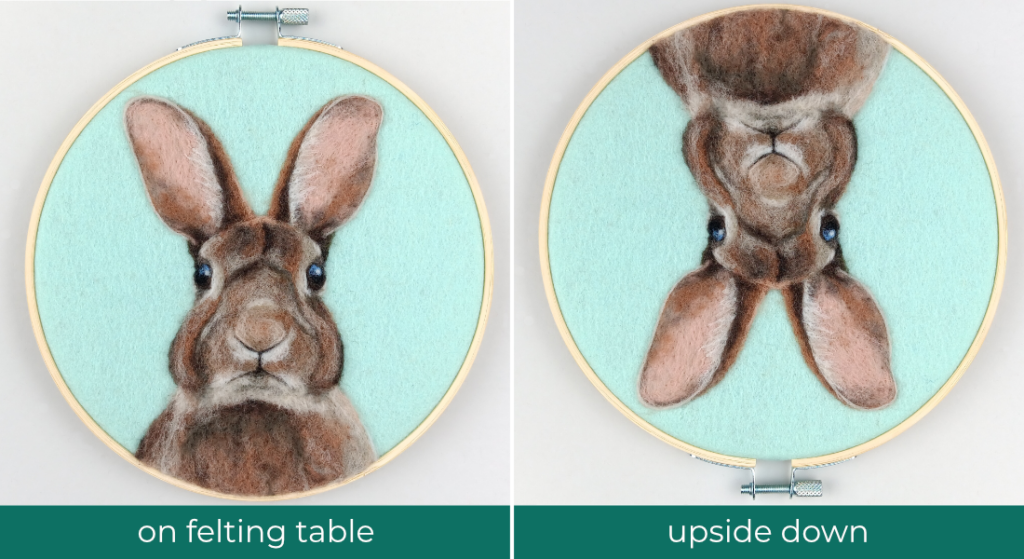
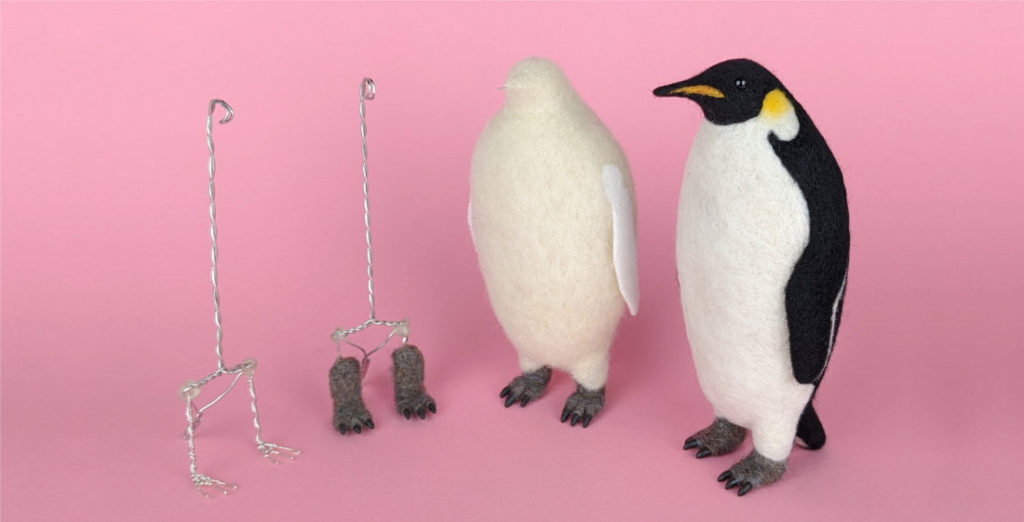
Did you turn your piece yet? It’s easy to focus on what is facing you and forget to check the rest of your animal. But needle felted sculptures are three-dimensional. What looks perfect from one angle may be too wide, too flat, or uneven when viewed from another.
Get into the habit of regularly turning your work. Look at it from the front, sides, top, bottom, and back. Don’t worry about perfect symmetry. That’s not the goal. You just want it to look balanced with overall proportions that feel believable.
Turning your wool as you go helps you felt the animal evenly. You also notice problem areas immediately versus later on. This is especially important when building the base of your sculpture, because early corrections are much simpler to make than major repairs later (although that can be done).
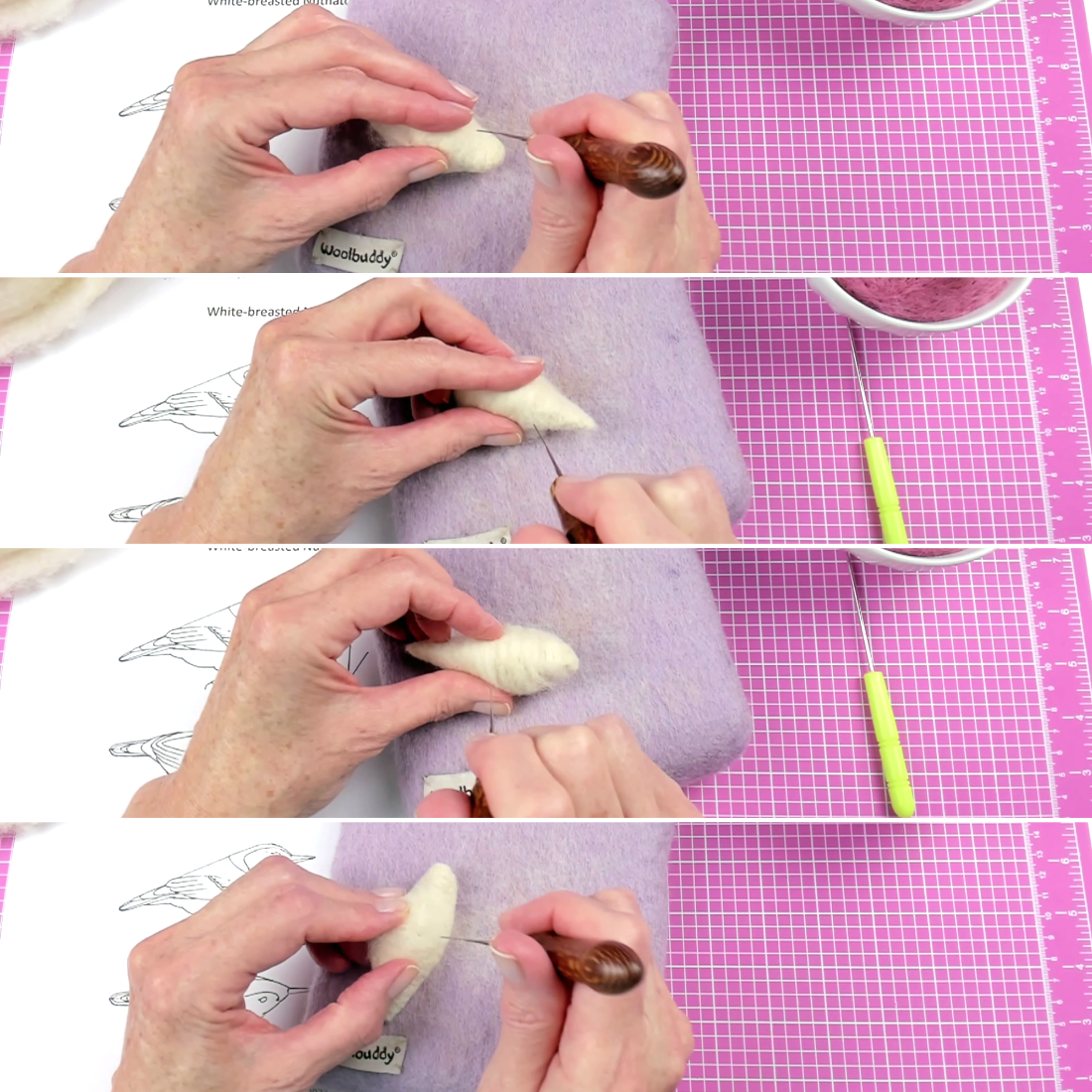
If you were lucky enough to get into the flow state (or “in the zone”) where your sense of time gets fuzzy, you may not know how long you spent in one area. Since I developed the habit of turning my piece constantly as I work, I find it also helps me stay in the flow, reaping all of its benefits.
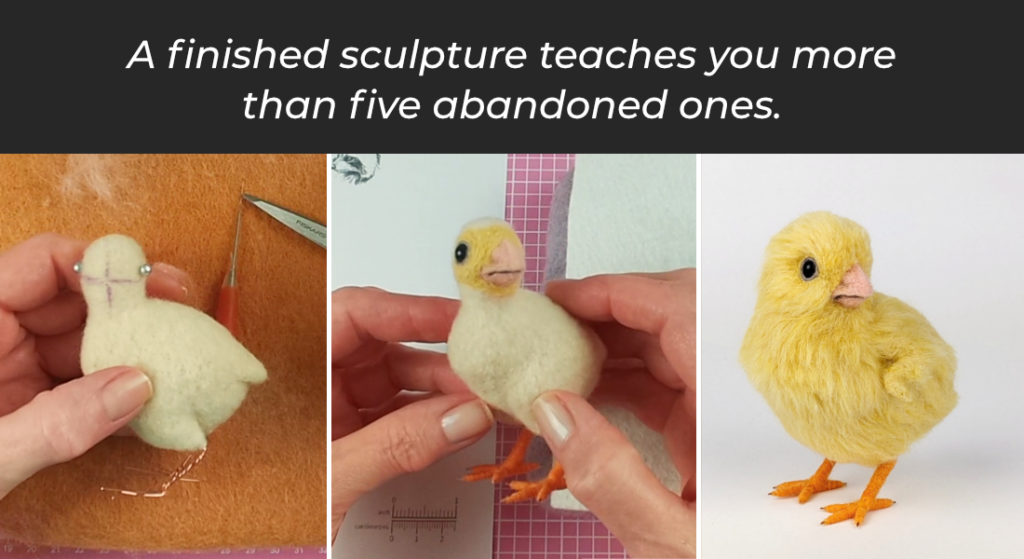
This simple habit improves accuracy and saves time. Your forms become more balanced, your proportions stay under control, and you are far less likely to discover a problem only after the piece is nearly finished.
So remind yourself to turn your sculpture constantly while felting. If you’d like to see this in action, check out my basic shapes video where I demonstrate making them and give you lots of needle felting advice.
A photo used in this post was taken by the following photographer:
- A bright red windmill stands in a grassy yard by Eduardo Casajús Gorostiaga, via Unsplash. I cropped the photo a just a little.