Look for asymmetry. It creates life. – needle felting tip
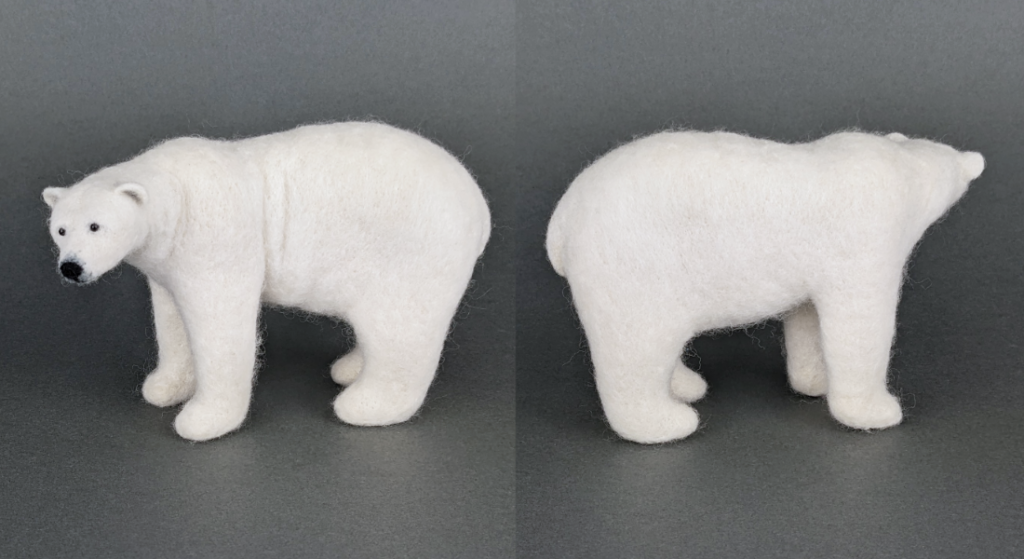
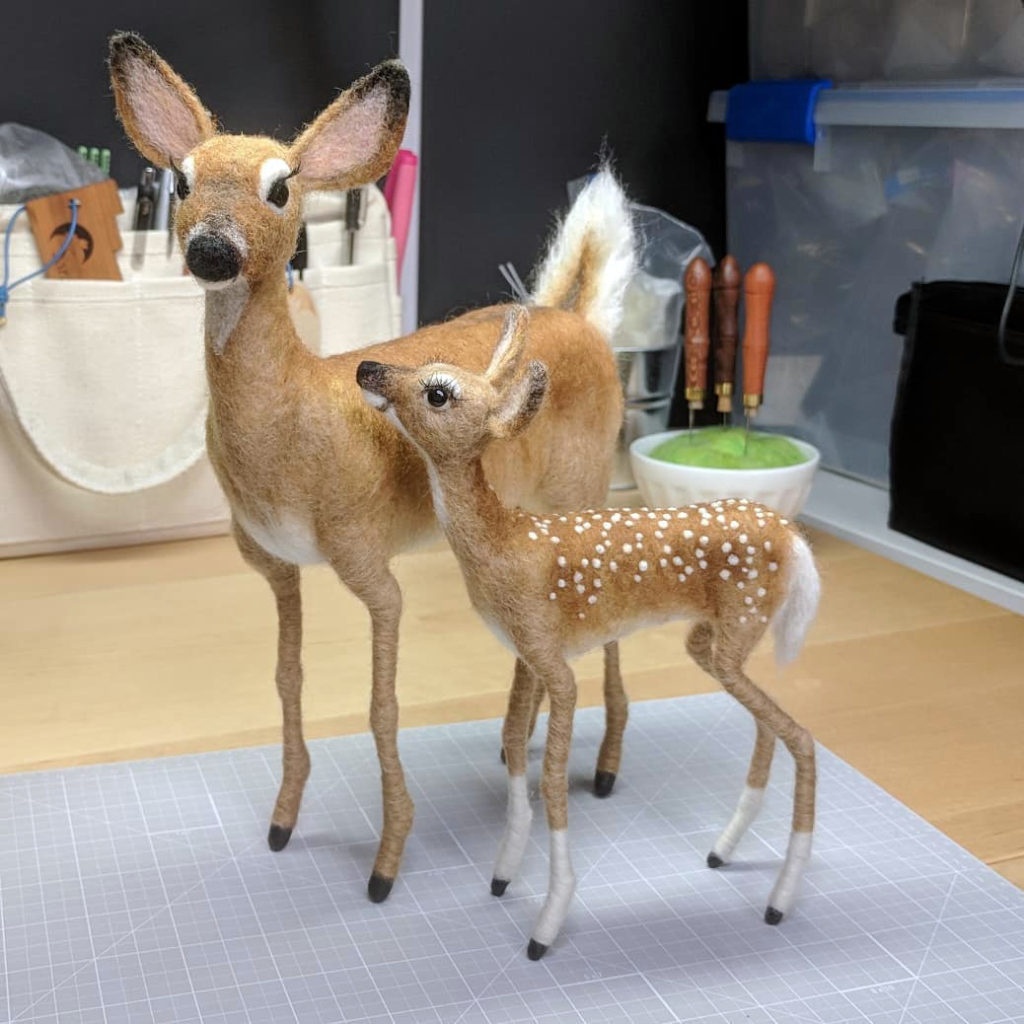
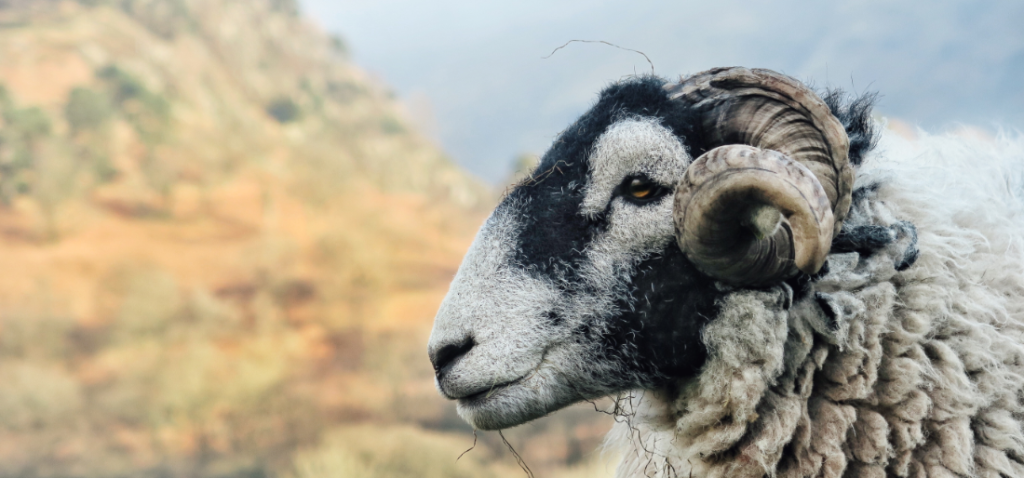
Real animals (and reference photos of them) are rarely perfectly symmetrical. A head tilts slightly, an ear turns toward a sound, weight shifts onto one leg, feathers are rumpled, or fur is disheveled in spots. These observations will help you make animal artwork that feels natural rather than stiff or posed.
As you study your reference images, note moments of asymmetry. Compare the position of the ears, eyes, shoulders, limbs, horns, wings, and other major features. Notice how the animal is carrying its weight and where the body might bend, twist, or lean. Then decide which of these effects are important to capture in your piece. You don’t need to emphasize them – even subtle asymmetry can create expression and movement.
It’s also easier
This is great news because making a perfectly symmetrical animal can be difficult and time consuming!
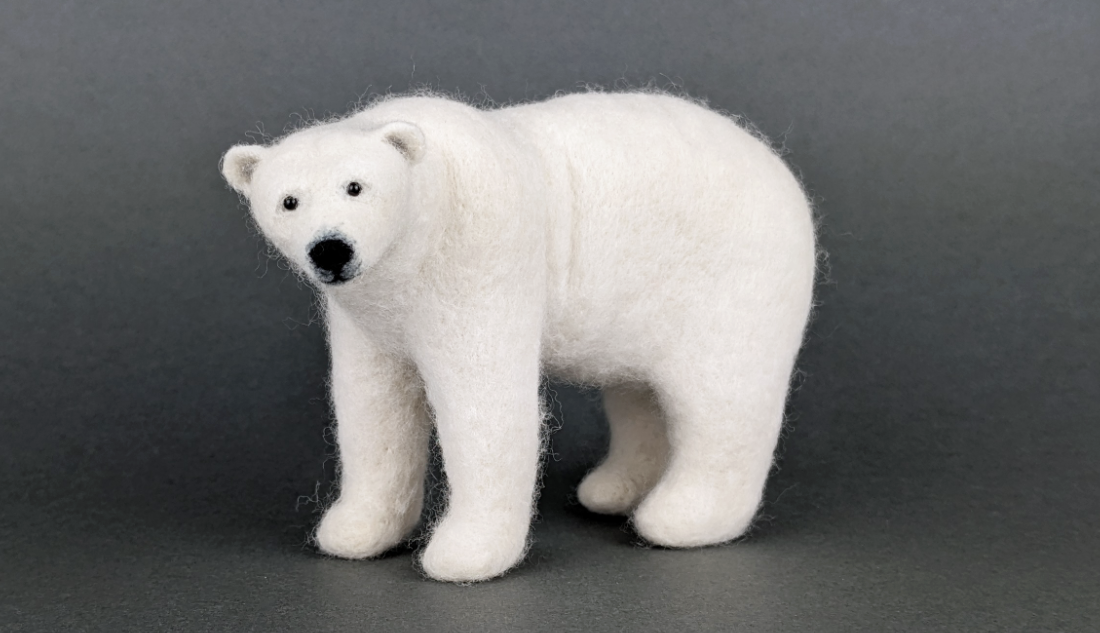
The key is to make asymmetry intentional, not accidental. Good proportions and anatomy still matter. But once that foundation is established, allow the two sides of your animal to be slightly different. This can make your piece feel less posed and more like a living creature caught in an actual moment in time.
Creative takeaway
Don’t automatically make one side match the other. Observe the asymmetry that exists in the animal and use it deliberately to give it character and life.
If you’d like to learn how I approached making this bear, watch my Making a Polar Bear video.